

Iran Boutique Tour Program
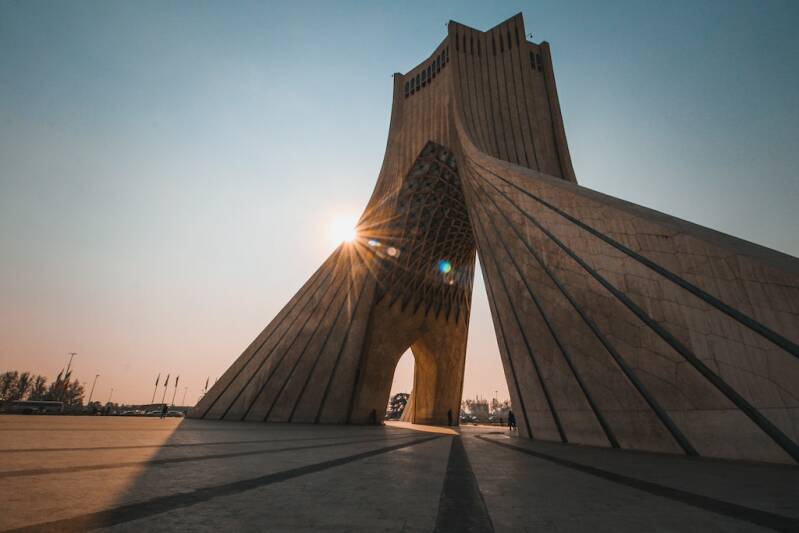
Day 1 – Arrival in Tehran
Upon arrival at Tehran Imam Khomeini International Airport, you will be warmly welcomed by our representative, who will provide an escorted transfer to your hotel in the capital of Iran. Take the rest of the day to relax and settle in, preparing for the exciting journey through Tehran’s history, culture, and attractions that lies ahead.
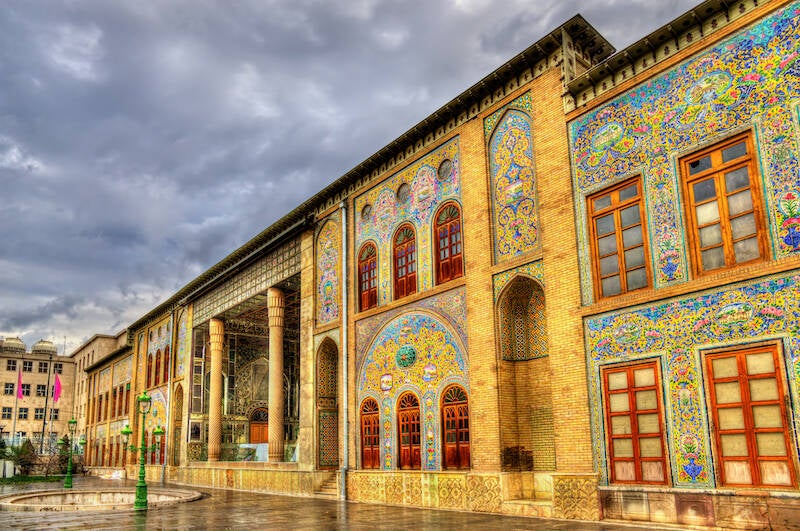

Day 2 – Discover Tehran: The Beating Heart of Iran
Your journey begins with a full-day exploration of Tehran, the vibrant capital of Iran and the largest metropolitan city in the Middle East. Known as the city that never sleeps, Tehran is a fascinating blend of tradition and modernity — a place where ancient heritage meets contemporary life.
Throughout its recent history, Tehran has been the stage for many of Iran’s most important political and cultural events. One day is hardly enough to uncover all its layers, but even a short visit reveals the city’s rich contrasts: from historic Qajar palaces to modern art galleries, from bustling bazaars to sleek shopping malls, and from mountain views to hip cafés and street food stalls.
For a classic Tehran city tour, we recommend starting with the National Museum of Iran. Divided into two sections — the Museum of Ancient Iran and the Museum of Islamic Art and Architecture — it offers an excellent introduction to the country’s long and diverse history. It’s the perfect starting point for understanding the treasures you’ll encounter throughout your journey in Iran.
Next, visit the magnificent Golestan Palace, one of Tehran’s oldest historical landmarks and a UNESCO World Heritage Site. Once the royal residence of the Qajar dynasty, this elegant complex includes 17 buildings, featuring palaces, halls, and museums. Inside, you’ll find exquisite examples of Persian craftsmanship alongside European artworks and gifts from the 18th and 19th centuries.
If time allows, make sure to stop by the Treasury of National Jewels — home to one of the most dazzling collections of gemstones in the world, each with a fascinating story.
Continue your exploration at the Tehran Grand Bazaar, one of the city’s most iconic attractions. Its vast network of corridors is divided by product type, creating a lively maze filled with carpets, spices, jewelry, and local crafts. This area represents the historic heart of Tehran and offers an authentic look into the city’s daily life.
To experience modern Tehran, head north to the Tabiat (Nature) Bridge, a contemporary architectural symbol connecting two large parks. It’s the perfect place to relax with a coffee, enjoy panoramic views, and watch how locals unwind after a busy day in the city.
These highlights are just a glimpse of what Tehran has to offer. Whether you’re passionate about history, architecture, or modern culture, this dynamic city will surprise you at every turn. For personalized recommendations or tailored city tours, feel free to contact our team — we’ll help you discover the Tehran that best matches your interests.

Day 3 – From Tehran to Kashan (Optional Stop in Qom)
Today you leave Tehran and head south toward Kashan, a city famous for its traditional Persian architecture and historic houses. On the way, you may choose to stop in Qom, one of Iran’s most important religious cities.
Qom is widely regarded as the center of the Islamic Revolution and is home to a large population of mullahs and Islamic scholars. The city is dominated by the magnificent Shrine of Hazrat-e Masumeh, sister of Imam Reza, which is one of the most significant pilgrimage sites for Shiite Muslims. Upon entering the shrine complex, you will immediately feel the spiritual atmosphere — women dressed in black chadors, mullahs in traditional attire, and thousands of pilgrims from across Central Asia and the Middle East create a scene of devotion and reverence. The mausoleum of Hazrat-e Masumeh sits at the heart of this vast complex, offering a profound cultural and spiritual experience.
In the evening, you will arrive in Kashan, a city renowned for its historical wealth and traditional Persian houses. You will stay in one of these beautifully restored historic houses, now transformed into a charming boutique hotel, offering an authentic experience of Kashani culture and hospitality.

Day 4 – Exploring the Historic City of Kashan
Today you will explore Kashan, a small oasis town famous for its elegant merchant houses and rich cultural heritage. The city is home to magnificent historic homes, each decorated with intricate stained-glass windows, frescoes, and ornate interiors, reflecting the wealth and taste of Kashan’s former merchants.
Nearby, you can visit the Tabatabai House, known for its colorful stained-glass windows and beautifully decorated rooms, and the Broujerdi House, the home of a samovar merchant, where masterpieces by the renowned Iranian artist Kamal-ol-Molk adorn the walls.
Also in the area is Hammam-e Sultan Ahmed, a former traditional bathhouse. While it no longer serves as a hammam, the site is a stunning example of Persian architecture, featuring multiple rooms adorned with vibrant colored tiles.
One of the highlights of Kashan is Fin Garden, a historic Persian garden whose origins predate the Safavid period and were developed further under Shah Abbas II, gaining recognition during the Qajar era. The garden is not only an architectural masterpiece but also a site of historical significance: it was here that Amir Kabir, the famed Qajar chancellor known for his wisdom and justice, was assassinated in 1852.
For a glimpse into even older history, a short trip to the Sialk Hill archaeological site in the outskirts of Kashan reveals a settlement dating back to 6000–5500 BC, providing a fascinating perspective on ancient Iranian civilization.
Return to your hotel in the city center, where you can relax in a charming courtyard, surrounded by trees and a central fountain. Enjoy a cup of tea or a refreshing cold herbal syrup, soaking in the serene atmosphere of traditional Kashan hospitality.

Day 5 – Kashan → Isfahan via Abyaneh
After breakfast, you leave Kashan and begin your journey toward Isfahan, the artistic and architectural heart of Iran. Along the way, you will stop in the picturesque village of Abyaneh, one of the oldest and most traditional villages in the country.
Abyaneh is famous for its distinct red clay architecture, earning it the nickname “The Red Village.” Its residents have preserved their customs for centuries, which is especially visible in the traditional clothing of the women—long floral scarves and colorful skirts that add even more charm to the village.
Spend about an hour strolling through the narrow lanes, admiring the unique houses and the scenic mountain setting. Be sure not to miss the historic mosque, known for its beautifully carved wooden mihrab.
By evening, you arrive in Isfahan, where you will have time for a panoramic city tour and your first impressions of one of Iran’s most breathtaking cities.


Day 6 – Discovering the Architectural Wonders of Isfahan
Today marks your first full day in Isfahan, one of Iran’s most stunning cities, where you will stroll along boulevards lined with gardens and marvel at masterpieces of Persian-Islamic architecture.
Your tour begins at Naghsh-e Jahan Square, one of the largest and most beautiful city squares in the world. On the eastern side stands the Sheikh Lotfollah Mosque, built during the Safavid dynasty under Shah Abbas I as a private mosque for the royal court. On the south side of the square is the Imam Mosque (formerly Shah Mosque), also commissioned by Shah Abbas I, and considered a masterpiece of Persian architecture.
Opposite Sheikh Lotfollah Mosque, you will find the Ali Qapu Palace, an imperial Safavid palace renowned for its intricate decoration and artistic grandeur. Just north of the square is the Qeysarie Bazaar, one of Isfahan’s oldest bazaars. The entrance dazzles with painted ceilings, while inside you can explore shops selling Persian carpets, miniature paintings, calligraphy, and tile work, or enjoy a refreshing cup of tea in a traditional tea house.
In the afternoon, a visit to Chehel Sotoun Pavilion is highly recommended. Built under Shah Abbas II, this pavilion is set within a beautiful garden and was used for royal entertainment. Its painted halls and scenic park offer a perfect setting to relax and soak in the elegance of Safavid art.
In the evening, you are free to enjoy Isfahan at your own pace, sampling high-quality local cuisine at one of the city’s many restaurants. No matter where your hotel is located, excellent dining options are never far away, allowing you to end the day immersed in the flavors and ambiance of this cultural capital.

Day 7 – Exploring Bridges, Zayandeh River, and the Armenian Quarter of Isfahan
Wake up to another day in Isfahan, with memories of its intricate eslimi patterns, miniatures, and frescoes still fresh from yesterday. Today, you will explore both the architectural and cultural highlights of this stunning city.
Isfahan is famous for the Zayandeh River, the largest river of the Iranian Plateau, which flows through the city and is spanned by some of the most beautiful bridges in Iran. There are eleven historic bridges along the river, and today you will visit two of them. The Allahverdikhan Bridge, also known as Si-o-Se Pol, is the largest and most iconic. The second, the Khaju Bridge, is widely celebrated by scholars such as Arthur Pope and Jean Chardin as “the culminating monument of Persian bridge architecture,” combining utility, beauty, rhythm, and recreation in perfect harmony.
Next, you will explore the Armenian Quarter in Jolfa, home to a vibrant Armenian community in Isfahan. Here, visit the Vank Cathedral and its museum, which showcase Armenian art, architecture, and history. Stroll through the streets and alleys of Jolfa, where the aroma of fresh coffee fills the air — a reflection of the many coffee bars and cafes that make this district a lively evening destination. Jolfa is perfect for experiencing street food, local restaurants, and the vibrant energy of young locals enjoying the cultural hub of the city.
This day offers a blend of Persian architecture, riverfront beauty, and multicultural charm, giving you a deeper insight into Isfahan’s unique character.
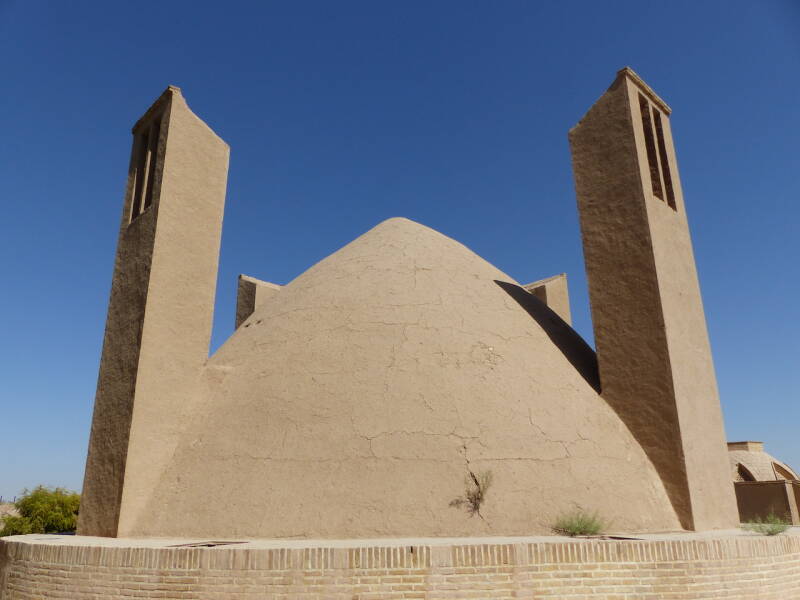
Day 8 – Isfahan → Yazd via Nain & Meybod
Today, carrying with you the vivid images of Isfahan’s magnificent Safavid art and architecture, you will begin your journey toward Yazd. Along the way, you will pass several historic towns and desert landscapes that are well worth exploring.
Your first stop is Nain, a desert town where the ancient ingenuity of Iranian engineering is beautifully preserved. Here you can see some of the best examples of qanats, the subterranean aqueducts that have supplied water to Iran’s arid regions for thousands of years. Nain is also home to remarkable monuments, including one of the oldest Jame Mosques in Iran, and is known for its fine textile and carpet workshops, where traditional craftsmanship is still practiced.
Continuing toward Yazd, you pass through Aghda and Ardakan before reaching Meybod, an ancient desert city with a history dating back to pre-Islamic times. A highlight here is the impressive Narin Castle (Narin Qaleh), a mud-brick citadel dating back nearly 2,000 years to the Sassanid era.
Meybod also offers several fascinating historical sites from the Safavid and Qajar periods, including a traditional caravanserai, a restored Chapar Khaneh (old postal station), and the remarkable Meybod Ice House, an ingenious desert structure once used to store ice through the scorching summers.
As you walk through the town, you will also encounter ceramic and pottery workshops, as Meybod is renowned throughout Iran for its beautiful handmade pottery.

Day 9 – Yazd
Yazd is a city unlike any other in Iran—an architectural masterpiece shaped by its desert climate and centuries of ingenuity. Known as the City of Windcatchers, it showcases traditional cooling systems that allowed residents to create natural ventilation and refreshing indoor temperatures during the scorching summers.
Yazd is also home to one of the largest communities of Zoroastrians in the country. You will begin your city tour with a visit to the Zoroastrian Fire Temple, where the sacred fire is believed to have been continuously burning since around 470 AD—making it one of the oldest living fires in the world.
Your next stop is the beautiful Dowlat Abad Garden, a classic example of a Persian garden. Originally built as a residential complex, it features the tallest windcatcher in Iran, rising elegantly above the central pavilion.
In the afternoon, enjoy walking through the atmospheric alleys of the old town, where you can visit the grand Jame Mosque of Yazd, known for its splendid turquoise-tiled minarets, and the iconic Amir Chakhmaq complex with its striking multi-story façade.
Yazd also offers a vibrant bazaar, famous for its exquisite Termeh—fine silk and wool brocade textiles. Its reputation dates back centuries; even Marco Polo mentioned Yazd’s silk-weaving industry during his travels in 1272. Strolling through the bazaar, you will see displays of colorful Termeh brightening the passageways.
In the evening, a unique experience awaits: a visit to a Zurkhaneh, the traditional Persian gymnasium where Varzesh-e Bastani (ancient martial arts) is performed. Originally developed to train warriors, this captivating ritual blends strength, rhythm, spirituality, and centuries-old tradition.

Day 10 – Yazd – Pasargadae – Persepolis – Shiraz
Today you leave behind the desert landscapes of Yazd—its windcatchers, mudbrick architecture, and ancient qanats—and travel toward the heart of Persia’s imperial past. On your way to Shiraz, you will make three major historical stops, each representing a defining chapter in Iranian civilization.
Your first visit is Pasargadae, the earliest capital of the Achaemenid Empire, founded by Cyrus the Great. The site’s most significant monument is the Tomb of Cyrus, a simple yet profoundly dignified stone structure that has stood for more than 2,500 years as a symbol of his legacy.
From Pasargadae, you continue about an hour to reach the awe-inspiring remains of Persepolis, the ceremonial capital of the Achaemenids, built largely under Darius I. Situated at the foot of Mount Rahmat, Persepolis served as a spring and summer residence for the kings and as the grand stage for royal ceremonies. Here, envoys from across the empire once gathered to pay tribute to the Persian monarch.
The complex consists of numerous monumental structures, including the Gate of All Nations, the impressive Apadana Staircase and Apadana Palace, and the palaces of Darius I and Xerxes. Even in ruins, Persepolis remains among the most extraordinary archaeological sites in the world.
A short drive away lies Naghsh-e Rostam, the royal necropolis of the Achaemenid dynasty. Carved high into the cliff face are four monumental tombs belonging to the kings, their façades shaped like crosses. Below the tombs, striking Sassanid bas-reliefs depict victories, royal ceremonies, and moments of imperial grandeur.
After a full day immersed in ancient history, you continue your journey and by evening arrive in Shiraz, the cultural and poetic capital of Iran.

Day 11 – Shiraz
Today you will enjoy a full day exploring Shiraz, one of Iran’s most welcoming and enchanting cities. Ending your journey here feels fitting—Shiraz is known for its gentle rhythm of life, warm-hearted people, and rich cultural heritage. Often referred to as the city of roses and nightingales, it has long been a center of poetry, literature, and refined living. Many of Iran’s most celebrated poets were born here, and their presence is still felt in the city’s gardens, streets, and gatherings.
Begin your morning with a visit to the famous Nasir al-Molk Mosque, also known as the Pink Mosque. Its interior is decorated with delicate pink tiles, but its most magical feature is the stained-glass façade, which creates a spectacular display of color when the sunlight enters the prayer hall—morning is the perfect time for extraordinary photographs.
Since Shiraz served as the capital during the Zand dynasty, you will see many important monuments from this era. A visit to the Karim Khan Citadel (Arg-e Karim Khan) and the nearby Vakil Complex—including the Vakil Mosque, Vakil Bath, and the vibrant Shiraz Bazaar—offers insight into this flourishing period of Persian architecture and city life.
Later, visit the tombs of two of Iran’s greatest poets: Hafez and Sa’adi. Both mausoleums are set in serene gardens and are beloved gathering places for locals who come to read poetry, reflect, or simply enjoy the peaceful atmosphere.
A walk through Eram Garden, one of the most beautiful examples of a Persian garden, should not be missed. With its elegant cypress trees, flowing water, and Qajar-era palace, it captures the essence of Shiraz’s refined spirit.
In the evening, you will notice how much Shirazis enjoy spending time outdoors—families and friends picnic in parks, courtyards, and any green space available. This lively atmosphere continues into the night. For your final evening, you can choose one of Shiraz’s excellent restaurants, many offering live music, to celebrate the end of your journey in Persia.
Day 12 – Depart Shiraz
Depending on your flight schedule, an escorted transfer will be arranged from your hotel to Shiraz International Airport.
As your unforgettable journey through Persia comes to an end, we wish you a smooth trip home and hope the memories of Iran’s landscapes, culture, and warm hospitality stay with you for years to come.
Have a safe and pleasant flight.