

One Week Tour Iran, Isfahan, Meybod, Yazd, Persepolis, Shiraz
Day 1 Arrival Isfahan
Arrive at Isfahan international airport. You will be met & assisted with our representative and transfer to hotel


Day 2 – Isfahan City Tour: Discover the Heart of Persian Architecture
Begin your day exploring the magnificent city of Isfahan, one of Iran’s most beautiful destinations, famous for its Persian–Islamic architecture, tree-lined boulevards, and historic bridges. This Isfahan city tour will take you through the city’s grand squares, mosques, palaces, and bazaars — true masterpieces of Iranian art and culture.
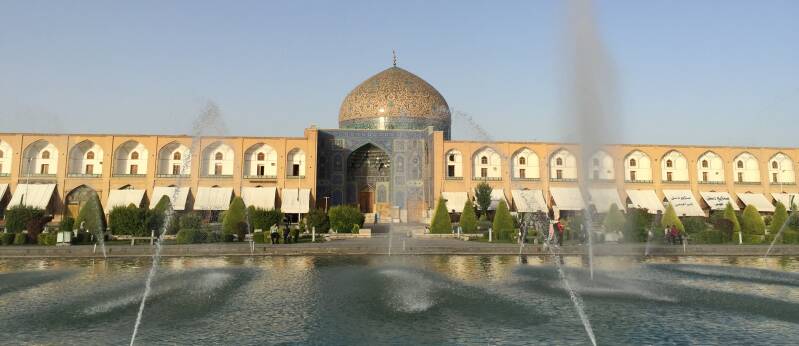
Your sightseeing begins at the world-famous Naghsh-e Jahan Square (Imam Square), one of the largest and most stunning squares in the world, recognized as a UNESCO World Heritage Site. On the eastern side stands the exquisite Sheikh Lotfollah Mosque, built during the Safavid dynasty by Shah Abbas I as a private mosque for the royal family. Its intricate tilework and harmonious proportions are among the finest examples of Safavid architecture.
On the southern side of the square, visit the Imam Mosque (formerly Shah Mosque), another architectural masterpiece commissioned by Shah Abbas I. Its majestic blue-tiled domes and detailed calligraphy make it one of the highlights of any tour to Isfahan.
Opposite Sheikh Lotfollah Mosque is the elegant Ali Qapu Palace, once the royal residence and a symbol of Safavid grandeur. From its balcony, the kings once enjoyed polo games on the square below — today, visitors can admire panoramic views of the city and the square’s stunning symmetry.
Next, explore the Qeysarie Bazaar, located on the northern side of Naghsh-e Jahan Square. One of the oldest bazaars in Isfahan, it’s filled with colorful shops selling Persian carpets, miniature paintings, calligraphy, ceramics, and other handicrafts. Take time to browse for souvenirs or relax in one of the traditional tea houses under its beautifully painted ceilings.
In the afternoon, continue your Isfahan sightseeing with a visit to Chehel Sotoun Palace (“Forty Columns”). Built by Shah Abbas II, this pavilion is set in a peaceful garden and features a stunning collection of frescoes and mirror work that depict Safavid royal ceremonies. It’s an ideal place to enjoy a stroll and a cup of tea amid tranquil surroundings.
In the evening, you’ll have free time to explore Isfahan at night, when the city’s bridges and monuments are beautifully illuminated. Enjoy dinner at one of Isfahan’s many excellent local restaurants — no matter where your hotel is located, you’ll find plenty of welcoming places serving delicious Persian cuisine.

Day 3 – Isfahan: The Bridges of Zayandehrood & the Armenian Quarter of Jolfa
Wake up once again in the enchanting city of Isfahan, still dreaming of the intricate Persian patterns, miniature paintings, and frescoes that filled your imagination the night before. Another day of discovery awaits in this city of art, history, and elegance.
Today’s Isfahan city tour begins along the banks of the Zayandehrood River, the largest river on the Iranian Plateau. Wherever there is a river, there are bridges — and the bridges of Isfahan are among the most beautiful in the world. There are eleven historical bridges crossing the Zayandehrood, each with its own story and architectural charm.
You’ll visit two of the most famous:
-
Si-o-se Pol Bridge (Allahverdi Khan Bridge) – The largest and most iconic bridge in Isfahan, built during the Safavid era. With its thirty-three arches stretching gracefully across the river, it is one of the city’s most photographed landmarks.
-
Khaju Bridge – Described by scholars like Arthur Pope and Jean Chardin as “the culmination of Persian bridge architecture”, this bridge beautifully combines utility, elegance, and symmetry. Khaju serves not only as a bridge but also as a gathering place for locals, especially at sunset when the reflections of its arches dance across the water.
Your Isfahan tour continues to the Armenian Quarter of Jolfa, a district that showcases the city’s cultural diversity. Isfahan has long been home to a thriving Armenian community, and Jolfa remains one of its most vibrant neighborhoods. Here, you’ll visit the stunning Vank Cathedral (Holy Savior Cathedral) and its museum, which house precious religious art and historical manuscripts.
As you stroll through the narrow streets of Jolfa, you’ll notice the aroma of freshly brewed coffee drifting through the air — this area is known for its cozy cafés and coffee bars. In the evening, Jolfa becomes one of the liveliest parts of Isfahan, with street food stalls, art galleries, and stylish restaurants that attract both locals and visitors. It’s the perfect place to enjoy dinner, people-watch, and experience the city’s modern cultural heartbeat.
Day 4 – From Isfahan to Yazd via Nain and Meybod
Today, after days surrounded by the beauty of Isfahan’s Safavid art and architecture, you continue your journey toward Yazd, the ancient desert city and UNESCO World Heritage Site. The road to Yazd passes through charming desert towns where history, craftsmanship, and culture come alive.
Your first stop will be Nain, a historic desert town famous for its ancient Qanats — underground aqueducts ingeniously designed to bring water from the mountains to the plains. Nain is one of the best places in Iran to see this traditional water management system, recognized by UNESCO. You’ll also visit the Jameh Mosque of Nain, one of the oldest mosques in Iran, with architecture dating back more than a thousand years. The city is also known for its handwoven textiles and carpet workshops, where artisans continue centuries-old weaving traditions.
Continuing toward Yazd, you’ll pass Aqda, Ardakan, and finally reach Meybod, another ancient desert town with roots stretching back to the pre-Islamic era. Here, you’ll explore the impressive Narin Castle (Narin Ghaleh) — a mud-brick fortress dating from the Sassanid dynasty, nearly 2,000 years old.
Meybod also offers fascinating examples of traditional Persian desert architecture from later dynasties, including:
-
The Meybod Caravanserai, once a rest stop for Silk Road travelers.
-
The Chapar Khaneh (Old Postal Service), showcasing how messages were carried across the Persian Empire.
-
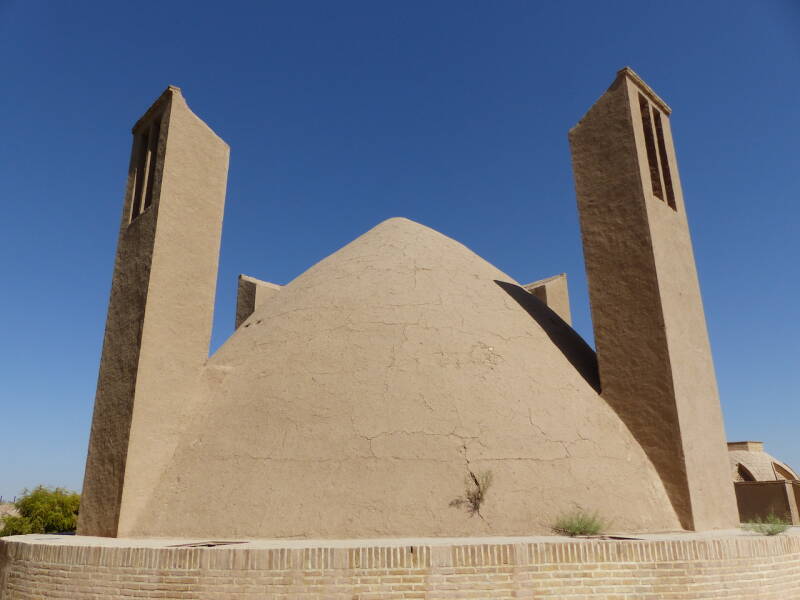
The Meybod Ice House (Yakhchal), an ancient structure used for storing ice through Iran’s hot summers.
You’ll also have the chance to visit local pottery and ceramic workshops, as Meybod is one of the main centers of traditional pottery in Iran. Walking through its narrow alleys, you’ll see local artisans shaping and painting beautiful earthenware pieces.
By late afternoon, you arrive in Yazd, a magical desert city known for its mud-brick architecture, windcatchers (Badgirs), and Zoroastrian heritage. You’ll stay in one of Yazd’s charming boutique hotels in the old town, allowing you to easily explore the area on foot. In the evening, enjoy the atmosphere of the historic streets and perhaps relax with tea or coffee on a rooftop café, watching the sunset over Yazd’s ancient skyline.

Day 5 – Yazd: The City of Windcatchers and Zoroastrian Heritage
Welcome to Yazd, one of Iran’s most fascinating desert cities and a UNESCO World Heritage Site. Famous as the City of Windcatchers (Badgirs), Yazd showcases an ingenious desert architecture designed to keep homes cool during the scorching summers. As you explore, you’ll see how generations of architects mastered natural ventilation and water management in this arid region.
Your Yazd city tour begins with a visit to the Zoroastrian Fire Temple (Atashkadeh), where a sacred flame has been burning continuously since around 470 AD. This temple remains one of the most important places of worship for Iran’s Zoroastrian community, offering an inspiring glimpse into one of the world’s oldest religions.
Next, visit the stunning Dowlat Abad Garden, a perfect example of a traditional Persian garden and another UNESCO World Heritage Site. Built as a residential complex during the 18th century, it features pavilions, fountains, and the tallest windcatcher in Iran rising from the central mansion. Its design reflects the harmony between architecture and nature that defines Persian aesthetics.
In the afternoon, stroll through the old town of Yazd, where narrow adobe alleys, domed roofs, and traditional courtyards create an atmosphere of timeless beauty. You’ll visit two of Yazd’s architectural highlights:
-
Jameh Mosque of Yazd, with its stunning tiled entrance portal and tall minarets visible from almost anywhere in the old city.
-
Amir Chakhmaq Complex, an iconic façade and square illuminated beautifully at sunset.
Later, explore the Bazaar of Yazd, famous for its traditional silk weaving. Yazd’s silk textile, known as Termeh, has been admired since the time of Marco Polo, who praised the city’s fine craftsmanship during his 13th-century travels. As you walk through the bazaar, you’ll see colorful Termeh fabrics hanging in shopfronts — perfect souvenirs of your journey.
In the evening, experience one of Yazd’s most unique cultural traditions: a visit to a Zurkhaneh (Traditional Gymnasium). Here, athletes practice Varzesh-e Bastani, an ancient Persian martial art and spiritual sport that once trained warriors in strength, rhythm, and discipline. Watching this centuries-old ritual is a memorable way to end your day in Yazd.

Day 6 – From Yazd to Shiraz via Persepolis and Pasargadae
This morning, leave behind the desert landscapes, windcatchers, and mud-brick walls of Yazd as you journey toward Shiraz, the city of poetry, gardens, and ancient Persian glory. Today’s drive is filled with history, as you’ll visit three of the most important archaeological sites of the Achaemenid Empire — Pasargadae, Persepolis, and Naghsh-e Rostam — all recognized as UNESCO World Heritage Sites.
Your first stop is Pasargadae, the earliest capital of the Achaemenid Empire, founded in the 6th century BCE by Cyrus the Great. The highlight of the site is the Tomb of Cyrus the Great, a simple yet powerful monument that symbolizes the grandeur and legacy of the Persian Empire. The surrounding ruins offer a glimpse into the earliest expressions of Persian imperial architecture.
Continue your journey to Persepolis, located at the foot of the Rahmat Mountain. Founded by Darius I in 518 BCE, Persepolis served as the ceremonial capital of the Achaemenid Empire — a place where envoys from across the known world gathered to pay tribute to the Persian kings during Nowruz (New Year) celebrations.
Walking through Persepolis, you’ll explore its magnificent palaces and gateways, including:
-
The Gate of All Nations, where representatives of subject nations once entered.
-
The Apadana Palace and Grand Staircase, decorated with reliefs of delegates bringing gifts to the king.
-
The Palaces of Darius I and Xerxes, showcasing exquisite carvings and monumental columns.
Just a short drive away lies Naghsh-e Rostam (Necropolis), the royal burial site of the Achaemenid kings. Here, four monumental tombs are carved high into the cliff face — believed to belong to Darius I, Xerxes I, Artaxerxes I, and Darius II. Beneath them, you’ll see intricate Sassanid-era bas-reliefs depicting kings and deities, illustrating the continuity of Persian art across centuries.
By evening, you’ll arrive in Shiraz, a city renowned for its poetry, gardens, and warm atmosphere. After checking into your hotel, enjoy a relaxing evening and prepare for your Shiraz city tour the next day.

Day 7 – Shiraz: The City of Roses and Nightingales
End your unforgettable journey in Shiraz, a city known for its relaxed rhythm of life, warm hospitality, and rich cultural heritage. Often called the City of Roses and Nightingales, Shiraz is famed for its poetry, gardens, and historic architecture. Many of Iran’s greatest poets, including Hafez and Sa’adi, hail from this city, making it a true center of Persian literature.
Start your Shiraz city tour in the morning with a visit to the stunning Nasir al-Molk Mosque (Pink Mosque). Renowned for its extensive use of pink tiles and intricate stained-glass windows, the mosque creates magical light patterns in the morning, offering incredible photo opportunities and a truly unforgettable experience.
Next, explore the Karim Khan Complex, a legacy of the Zand dynasty when Shiraz served as the capital of Persia. The complex includes the historic citadel and the Shiraz Bazaar, a lively market filled with local crafts, spices, and souvenirs — perfect for strolling and shopping.
In the afternoon, pay homage to two of Iran’s most celebrated poets by visiting the Tomb of Hafez and the Tomb of Sa’adi. Surrounded by tranquil gardens, these mausoleums offer a peaceful and inspiring insight into Persian poetry and philosophy.
Don’t miss the Eram Garden, a UNESCO-recognized Persian garden famous for its elegant layout, cypress trees, and, especially in May, the fragrant blossoms of orange and other flowers. A stroll here captures the essence of Shiraz’s natural beauty and cultural refinement.
As evening falls, experience the lively local life of Shiraz. Families enjoy picnic dinners in city parks, while others visit the city’s many restaurants with live music, offering a delightful culinary finale to your journey through Persia.
Day 8 – Departure from Iran
Your unforgettable journey through Iran comes to an end today. Based on your flight schedule, an escorted airport transfer will be arranged to ensure a smooth departure.
We hope you leave with lasting memories of Persian culture, historic cities, stunning architecture, and warm Iranian hospitality. Have a safe flight home, and we look forward to welcoming you back to Iran on a future adventure.