

Iran Northeastern Adventure Travel Program

Day 1: Arrival in Tehran
Welcome to Tehran, the vibrant capital of Iran! Upon arrival at the airport, you will be greeted by our local representative and escorted to your hotel. Take the rest of the day to relax and settle in, recover from your journey, and get a first glimpse of the city that blends modern energy with deep historical roots.
Traveler’s Tip: If you have some energy left, consider a short evening walk around your hotel area to enjoy a cup of Persian tea and observe the city’s lively atmosphere.


Day 2 – Discover Tehran: The Beating Heart of Iran
Your journey begins with a full-day exploration of Tehran, the vibrant capital of Iran and the largest metropolitan city in the Middle East. Known as the city that never sleeps, Tehran is a fascinating blend of tradition and modernity — a place where ancient heritage meets contemporary life.
Throughout its recent history, Tehran has been the stage for many of Iran’s most important political and cultural events. One day is hardly enough to uncover all its layers, but even a short visit reveals the city’s rich contrasts: from historic Qajar palaces to modern art galleries, from bustling bazaars to sleek shopping malls, and from mountain views to hip cafés and street food stalls.
For a classic Tehran city tour, we recommend starting with the National Museum of Iran. Divided into two sections — the Museum of Ancient Iran and the Museum of Islamic Art and Architecture — it offers an excellent introduction to the country’s long and diverse history. It’s the perfect starting point for understanding the treasures you’ll encounter throughout your journey in Iran.
Next, visit the magnificent Golestan Palace, one of Tehran’s oldest historical landmarks and a UNESCO World Heritage Site. Once the royal residence of the Qajar dynasty, this elegant complex includes 17 buildings, featuring palaces, halls, and museums. Inside, you’ll find exquisite examples of Persian craftsmanship alongside European artworks and gifts from the 18th and 19th centuries.
If time allows, make sure to stop by the Treasury of National Jewels — home to one of the most dazzling collections of gemstones in the world, each with a fascinating story.
Continue your exploration at the Tehran Grand Bazaar, one of the city’s most iconic attractions. Its vast network of corridors is divided by product type, creating a lively maze filled with carpets, spices, jewelry, and local crafts. This area represents the historic heart of Tehran and offers an authentic look into the city’s daily life.
To experience modern Tehran, head north to the Tabiat (Nature) Bridge, a contemporary architectural symbol connecting two large parks. It’s the perfect place to relax with a coffee, enjoy panoramic views, and watch how locals unwind after a busy day in the city.
These highlights are just a glimpse of what Tehran has to offer. Whether you’re passionate about history, architecture, or modern culture, this dynamic city will surprise you at every turn. For personalized recommendations or tailored city tours, feel free to contact our team — we’ll help you discover the Tehran that best matches your interests.

Day 3 Tehran - Semnam via Garmsar
After breakfast, begin your journey eastward from Tehran toward Semnan, the capital of Semnan Province. Shortly after leaving the city, you’ll pass the Tehran Armenian Cemetery (Borastan Cemetery), the city’s only Armenian Apostolic burial site, featuring the charming chapel of Holy Stepanos.
As you drive through a mix of small towns and industrial zones, the landscape gradually transforms into the Sar Darre Mountains, also known as the Martian Hills. These colorful rock formations on the edge of Dasht-e Kavir, Iran’s largest desert, hide salt mines and attract many domestic tourists throughout the year.
Next, pass through Garmsar, an area rich in history. Visit the ancient Stonavand Castle, estimated to be over 3,500 years old, and explore the historic road connecting Garmsar to Qasr Bahram Caravanserai, a remarkable remnant of the Safavid period. Near Garmsar you can visit a working salt mine and wonder through amazing salt caves, a goldmine for photography lovers. The surrounding desert plains are not only visually striking but also historically significant as one of the first habitats of the Iranian cheetah. Nearby villages such as Padeh offer charming glimpses into the past, with ancient water reservoirs and traditional hammams. Garmsar is also famous across Iran for its sweet yellow melons, local figs, and a regional specialty of Tahchin — and we can arrange a traditional home-cooked lunch if you wish.
Arriving in Semnan, a city known for daffodils, Shirmal pastry (saffron-flavored flatbread), and traditional kilim rugs, you’ll discover a historically significant city that played a role in the Achaemenid, Parthian, and Sassanid eras, later flourishing during the Qajar period. Key highlights include the Semnan Jame Mosque, over 1,000 years old, the elegant Imam Mosque (Soltani Mosque), the Shrine of Sheikh Ala’ed-dowleh Semnani from the Safavid era, the Gate of Semnan Fortress, as well as the bustling Semnan Bazaar and Pehne Bazaar. Don’t miss a visit to Taddayon House, a fine example of traditional Semnani architecture.
This journey offers a perfect blend of natural beauty, local culture, and historical discovery, making it an unforgettable start to your Silk Road adventure.

Day 4 Semnam - Damghan via Badab-e Surt
Today, leave Semnan and head toward Damghan, another historic city in Semnan Province. Before arriving in Damghan, your journey takes you briefly into Mazandaran Province to witness one of the world’s most spectacular natural phenomena: the Badab-e Surt Springs.
Passing through Mehdi Shahr and Shahmirzad, popular summer retreats for locals, you continue directly to Qale-Sar village. From here, a short transfer on foot or by local transport is needed for the final stretch to the springs. Badab-e Surt is a stunning stepped travertine terrace formed by mineral-rich hot springs depositing carbonate minerals over centuries. Globally, this phenomenon is rare — comparable only to Mammoth Hot Springs in the USA, Pamukkale in Turkey, and Huanglong Scenic Area in China.
In the late afternoon, arrive in Damghan, one of Iran’s oldest cities and a key capital of the Parthian Empire, with a history dating back over 7,000 years. Explore the Tappeh Hessar ruins, remnants of a Sassanid-era fortress, and the Tarikhaneh Mosque, originally a fire temple during the Sassanid period and later converted into a mosque. Discover the city’s ancient fortifications, Sassanid architecture, and the Chehel Dokhtaran Vault.
Damghan is also famous for its pistachios and paper almonds, offering a taste of local flavors. Traditional dishes to try include Sabzi Polo, Mani Polo, and walnut stew, giving a delicious introduction to the region’s culinary heritage.
This day combines natural wonders with ancient history, offering a unique glimpse of Iran’s diverse landscapes and cultural richness.

Day 5: Damghan – Mesr (Heart of Dasht-e Kavir)
Today, you journey deep into the heart of Dasht-e Kavir, also known as the Great Salt Desert, spanning several provinces including Khorasan, Tehran, Semnan, Isfahan, and Yazd. Geologists suggest that this vast desert may have formed from the evaporation of an ancient sea, leaving behind the iconic salt flats. The region also hosts protected areas that shelter rare wildlife, including Persian gazelles and elusive leopards.
Historically, Dasht-e Kavir was part of a strategic Silk Road route, connecting northern and southern Iran. You follow the road from Damghan to Jandagh, a desolate yet enchanting route where the landscape seems to constantly transform, from salt plains to rolling sand dunes.
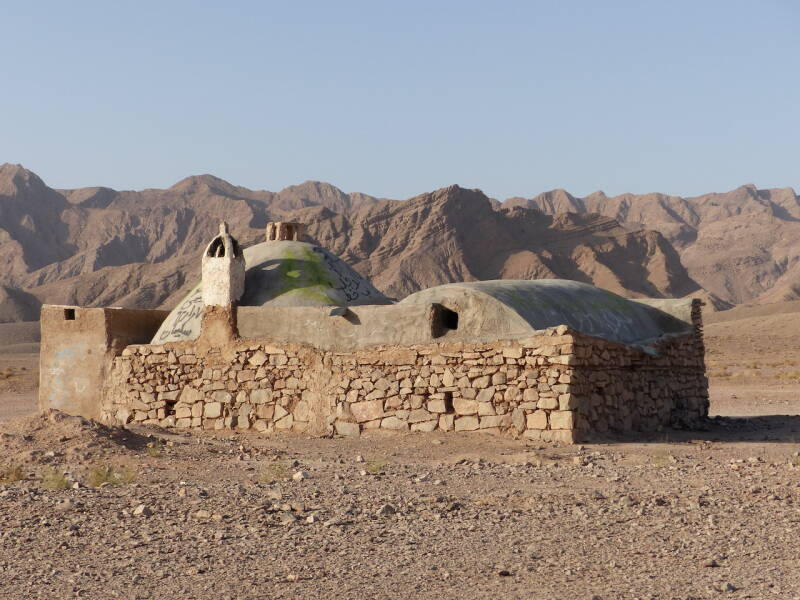
Your destination is the village of Mesr, a true desert oasis surrounded by towering sand dunes. Here, you can walk for hours atop the golden dunes, soaking in the quiet and serenity of the desert. As the sun sets, the dunes glow with warm, magical colors—a memory that will stay with you forever.
You spend the night in a cozy ecolodge run by local families, where a homemade dinner awaits you, offering a delicious taste of traditional desert cuisine.
Traveler’s Tip: Don’t miss walking to a high dune at sunset—this is one of the most memorable experiences in Iran’s deserts.
Day 6: Mesr – Esfahak via Tabas
Start your day early to catch the sunrise over the desert, a magical moment as the golden light spreads across the dunes. You may also enjoy a few more quiet hours exploring Mesr village, soaking in the unique desert atmosphere.
Today you’ll travel from one desert village to another, immersing yourself in desert life and landscapes. Leaving Mesr, the road winds through small desert settlements and opens onto the spectacular terrain of Tabas. This hidden gem is a desert city with a rich history dating back to pre-Islamic times. Despite being largely unknown to tourists, Tabas surprises visitors with its refreshing orange orchards, magnificent date palms, and natural springs. The Golshan Garden in the heart of the city is a true oasis, filled with 300-year-old trees, colorful shrubs, and sparkling water streams—a little paradise in the middle of the desert.
For the adventurous, a quick detour to Kal-e Jeni Canyon is highly recommended. Known as the “Valley of the Jinn,” this dramatic natural wonder has been shaped by centuries of water erosion, and its mysterious atmosphere lives up to its legendary name.
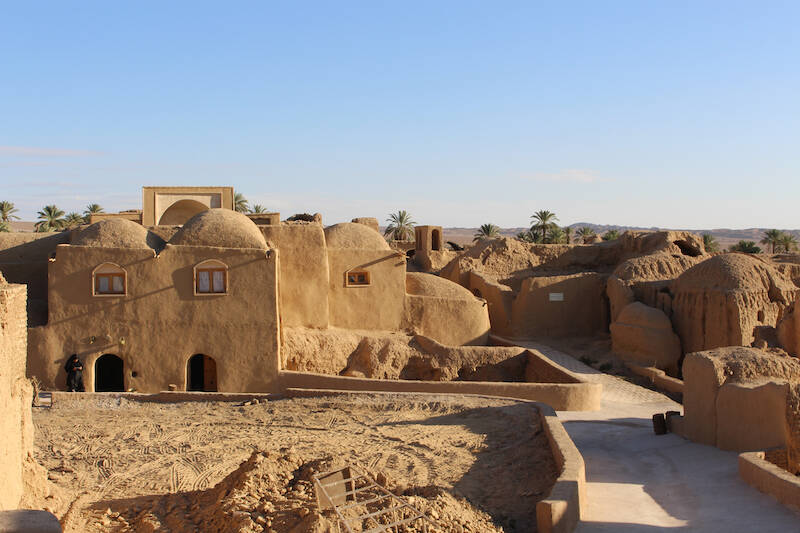
Continuing your journey, you’ll pass Korit village before arriving at Esfahak, an old village near the mountains. Thanks to underground water sources, the village enjoys a milder climate than Tabas, allowing for cultivation of crops like dates and saffron. The original village was destroyed in a 1978 earthquake, but the old section has been renovated into a cultural tourism center, complete with restored houses and a traditional bathhouse. Tonight, you’ll stay in one of these charming eco-lodges, experiencing life in a revived historical village.
Day 7 – Esfahak → Nashtifan via Gonabad
Today you continue your journey toward Khorasan Province, gradually leaving behind the vast stretches of the Dasht-e Kavir. Your route takes you through historic towns and fascinating desert landscapes before reaching the wind-swept village of Nashtifan.
Your first stop is the ancient town of Ferdows, once an important city whose name changed through various historical eras. During the Islamic period it was known as Toon, a name even mentioned by Marco Polo in his writings. Ferdows is renowned for its hot mineral springs situated near an inactive volcano. Here you can visit the Ferdows Religious School, an elegant Safavid-era complex, as well as the city’s historic Jame Mosque.
Continuing north, you will reach Gonabad, famous for the Gonabadi Dervish community and, most notably, its extraordinary qanats—ancient underground aqueducts engineered to transport water from mountain foothills to the plains. While qanats exist in many regions of Iran due to the dry climate, some of the oldest and longest qanats in the world are located in Gonabad, highlighting the region’s sophisticated water-management heritage.
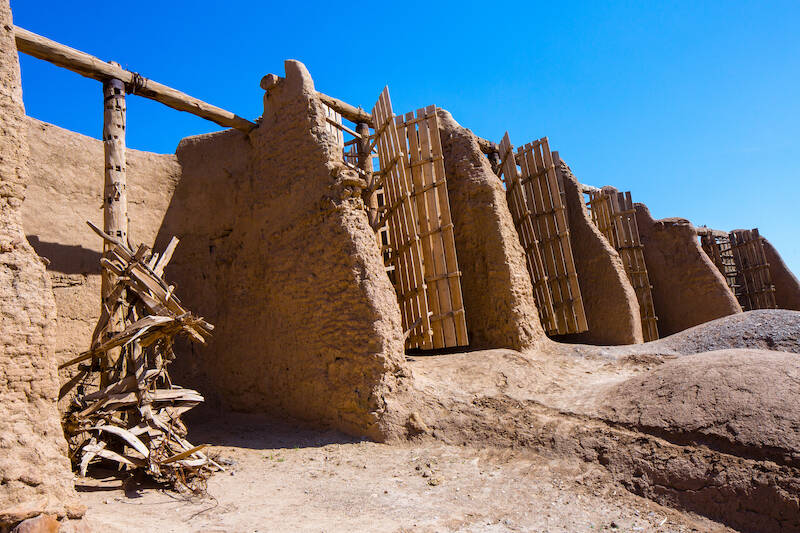
By afternoon, you will arrive in the captivating village of Nashtifan, home to one of the world’s most remarkable historical engineering sites: the ancient windmills of Nashtifan. Built from clay, mud, and wood during the Safavid period, they form the oldest and largest collection of windmills still in use today. These structures were designed to harness the powerful 120-day winds blowing from Sistan—an ingenious method for milling grain in an otherwise harsh environment.
Tonight, you will stay in the charming Pouryagoub Ecolodge, built entirely from natural local materials such as wood, straw, and thatch. Surrounded by a peaceful garden, its traditional architecture and colorful window curtains create a warm and authentic atmosphere, offering a genuine taste of rural life in eastern Iran.

Day 8 – Nashtifan → Mashhad
After several days exploring remote desert villages and traditional rural life, today you travel to Mashhad, the second most populous city in Iran and the spiritual heart of Shia Islam. While Mashhad was not a major city in ancient times, it rose to immense prominence after the martyrdom of Imam Reza, the 8th Imam of Shia Muslims, who is buried here. Today, the Imam Reza Shrine is one of the world’s most important pilgrimage sites, attracting millions of visitors each year. Because of this, Mashhad offers an impressive range of hotels, including some of the most luxurious in the country—welcome comfort after your nights in rural eco-lodges.
Beyond the stunning shrine complex itself, you can visit the Astan-e Qods Razavi Museum, which houses an exceptional collection of artifacts from the Islamic period. Among the highlights are rare and ancient Qurans, exquisite works by the renowned Safavid-era calligrapher Reza Abbasi, and beautifully crafted carpets and woven textiles that showcase Iran’s rich artistic traditions.
Adjacent to the shrine stands another architectural masterpiece: the Goharshad Mosque. Built during the Timurid dynasty at the request of Goharshad, wife of Shahrukh Timur, this mosque is celebrated for its elegant tilework, intricate calligraphy, and refined Timurid architectural style. Due to its location within the shrine complex, it is also one of the most visited mosques in Iran.
Other places you may enjoy visiting in Mashhad include the Tomb of Nadir Shah Afshar, the powerful 18th-century ruler, and the beautifully restored Darougheh House, an excellent example of traditional residential architecture.

Day 9 – Mashhad / Excursion to Neyshabur & Tus
After breakfast, you set off on a full-day excursion to two of northeastern Iran’s most historic and culturally rich cities: Neyshabur and Tus.
Your first stop is Neyshabur, a city founded in the Sassanid era and repeatedly rebuilt throughout history. Strategically located along the Silk Road, Neyshabur once connected the western world to China and flourished as a major cultural and commercial hub. During the 9th and 10th centuries—the Islamic Golden Age—the city became world-famous for its pottery. Many masterpieces uncovered from this region are now displayed in major museums, including the Metropolitan Museum of Art.
Today, only four traditional pottery workshops remain, offering a rare opportunity to observe centuries-old techniques. Neyshabur is also renowned for its carpets and rugs, but perhaps its most prized treasure is the Neyshabur turquoise, celebrated worldwide for its vivid color and exceptional quality.
Neyshabur is also the birthplace of some of Iran’s greatest intellectuals. You will visit the mausoleum of Omar Khayyam, the legendary poet, mathematician, and astronomer whose Rubaiyat gained immense popularity in the West. Nearby is the tomb of Attar, the Sufi poet and mystic whose works deeply influenced Persian literature and spirituality.
Your journey continues to Tus, an ancient city best known as the birthplace of Ferdowsi, the revered author of the Persian epic Shahnameh. You will also visit the Harounieh Dome, believed by some to be the resting place of Al-Ghazali, the influential 11th-century philosopher and theologian.
To end the day on a delicious note, you may choose to drive to Shandiz, a popular retreat near Mashhad known for its cooler climate and legendary shishlik kebab—often claimed to be the best in the world (vegetarians, feel free to skip this temptation!).
Day 10 – Mashhad to Golestan National Park
Today you embark on a scenic long-distance drive toward the western edge of Golestan National Park, where you will spend two nights at the charming Boomkolbeh Turkmen Ecolodge—perfectly located for exploring the park the following day.
As you leave Mashhad, your journey takes you through Quchan, the oldest city in the Khorasan region and, according to some historians, the first capital of the Parthian dynasty. The Quchan Plain and the Atrak River Basin—framed by the Hezar Masjid and Shah Jahan mountains—have supported advanced civilizations since at least the 4th millennium BC. Thanks to its fertile soil and favorable climate, this region has always been an ideal place for settlement. Today, Quchan is celebrated as the capital of Iranian folklore music.
You continue toward Bojnourd, a region shaped by frequent earthquakes that erased many early structures. Most surviving monuments date to the Qajar period, including the beautifully decorated Mofakham Mirror House. Bojnourd is also famous for its Turkmen horses and world-class riding centers that attract equestrian enthusiasts from around the globe.
By early evening, you will arrive at Boomkolbeh Turkmen Ecolodge, a rustic and sustainably run accommodation just outside the park’s western border. This eco-friendly lodge plays an important role in supporting the local community, from employment opportunities to the use of regional produce in its delicious, organic meals. Here, you will have a chance to experience Turkmen culture firsthand—its traditions, cuisine, craftsmanship, and warm hospitality.
Rest well tonight; tomorrow awaits with the pristine wilderness of Golestan National Park.
Day 11 – Golestan National Park
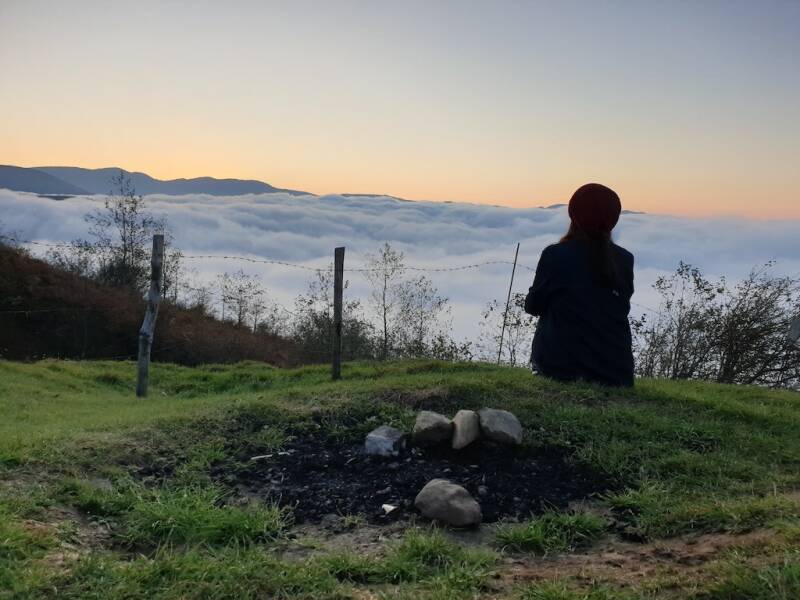
After a peaceful night in your rural ecolodge, your day begins with a delicious organic Turkmen breakfast before setting out to explore Golestan National Park, the oldest registered national park in Iran and one of the country’s most treasured natural sanctuaries.
This vast expanse of wilderness is a unique refuge for wildlife and is considered Iran’s most biologically rich region in terms of both the variety and abundance of plant and animal species. Golestan National Park is among the best habitats in the country for large mammals such as Persian leopards, brown bears, wolves, lynxes, marals (red deer), mouflon and wild goats, gazelles, and wild boars. The park is particularly renowned for its large population of urials.
The diversity here extends to birdlife as well—149 bird species have been recorded, and nearly one-eighth of Iran’s plant species can be found within the park’s borders.
Today, you may choose from a variety of outdoor experiences. Depending on your interests and the season, we offer:
-
Day hikes through lush valleys and forested slopes
-
Trekking in pristine wilderness areas
-
Wildlife safaris in search of large mammals and rare birds
-
Seasonal camping inside the park for those who want a deeper immersion in nature
Each program can be arranged upon request—please ask us for detailed descriptions and prices.
Important: Visiting Golestan National Park requires a special permit for all tourists. We will assist you with the process; just let us know which activities you wish to book.
Day 12 – Golestan → Gorgan via Khaled Nabi & Gonbad-e Kavus
After a pleasant breakfast, you say goodbye to Boomkolbeh Ecolodge and drive deeper into Golestan Province, making your way toward Gorgan. This region is one of the most ethnically diverse areas in Iran, home to Sunni Turkmens, Baluchis, Christian Armenians, and Georgians—each contributing to the rich cultural tapestry of the province.
Today you take the scenic, longer route, allowing time to visit several fascinating historical and cultural sites.
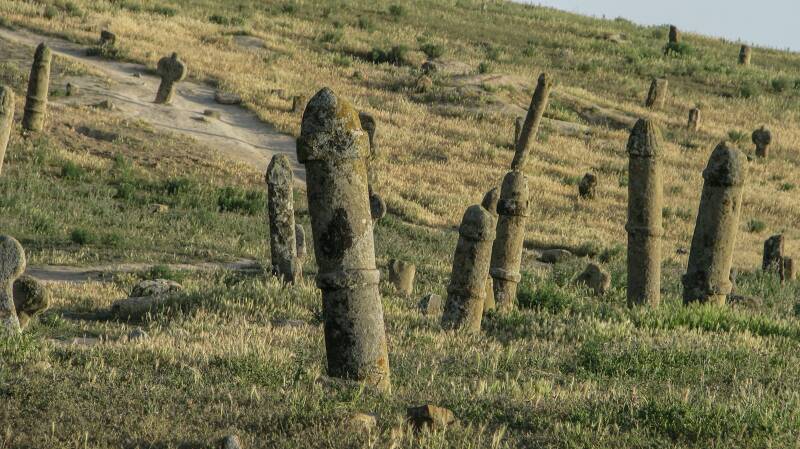
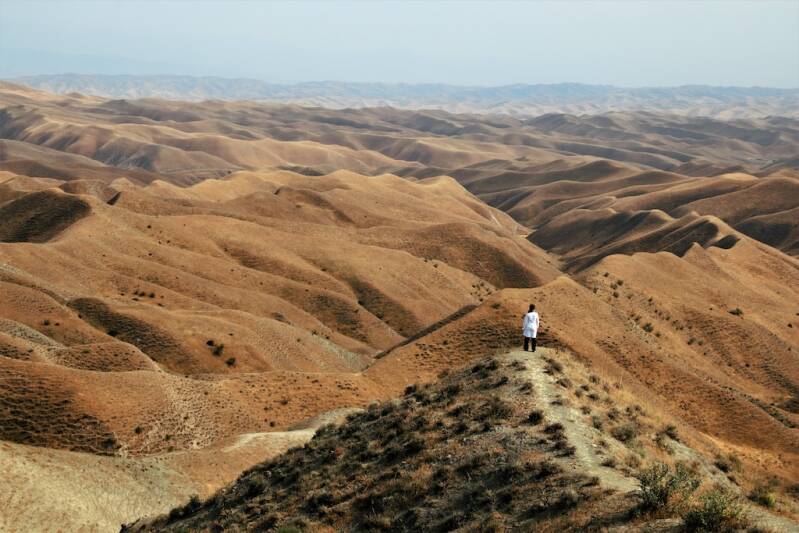
Your first stop is Khaled Nabi, an isolated mountaintop location surrounded by breathtaking rolling hills. Near the ancient mausoleum attributed to Khaled Nabi, you will find around 600 enigmatic tombstones, many dating back to pre-Islamic times. The striking landscape and mysterious stone markers give this site an otherworldly atmosphere.
Continuing your journey, you arrive in Gonbad-e Kavus, one of the most historically significant cities in northern Iran. With a history spanning five to six thousand years, it is the most important city in the Turkmen steppe after Gorgan. Its name refers to the extraordinary Gonbad-e Qabus Tower, a UNESCO World Heritage Site and one of the masterpieces of Iranian architecture.
This monumental brick tower—72 meters tall—is considered the tallest all-brick tower in the world. Built in the early 11th century during the rule of the Ziyarid prince Kavous bin Vashmigir, it stands as a remarkable achievement in structural and aesthetic design. Even the historian Will Durant mentioned Prince Kavous in his Story of Civilization, underscoring the historical importance of the region during that era.
Another major point of interest is the Divar-e Gorgan, or Gorgan Defensive Wall, sometimes referred to as Alexander’s Wall or the Red Wall. Often compared to the Great Wall of China due to its scale and purpose, it is an ancient defensive barrier constructed primarily of red bricks—hence its local nickname, “The Red Snake.”
Although archaeologists debate the exact period of construction—various experts attribute it to the Medes, Achaemenids, Parthians, or Sassanids—most agree that its final form dates to the Sassanid era. A well-preserved section of the wall can be visited north of Bandar Torkman.
After these visits, you continue your drive to Gorgan, where you will settle in for the evening.
Day 13 – Gorgan
Gorgan, the capital of Golestan Province, lies not far from the Caspian Sea and has long been an important cultural and trading center in northern Iran. Known as Verkana in Old Persian and Hyrcania in Greek sources, the ancient city was completely destroyed during the Mongol invasions. Archaeological excavations in and around the modern city show that human settlement here dates back as early as 678 BC, making it one of the oldest continuously inhabited regions in the country.
Gorgan is also the birthplace of Agha Mohammad Khan, founder of the Qajar Dynasty, and the city experienced considerable growth and prosperity during the Qajar era.
Today, Gorgan offers a blend of historical interest and natural beauty. One of the most charming places to visit is the village of Ziarat, nestled in the mountains south of the city. With its lush landscape, cool climate—especially pleasant in summer—and traditional architecture, it is a perfect place for a scenic walk or a few hours of gentle hiking.
You may also choose to explore the Alangdarreh Forest Park, a beautiful green valley ideal for nature walks, or stay closer to town and enjoy Naharkhoran Park, a lively recreational area with forested paths and excellent restaurants along the boulevard of the same name.
For those interested in history, the Gorgan Museum is highly recommended. Many discoveries from significant archaeological sites such as Tureng Tepe are preserved here, offering insights into the region’s ancient past.
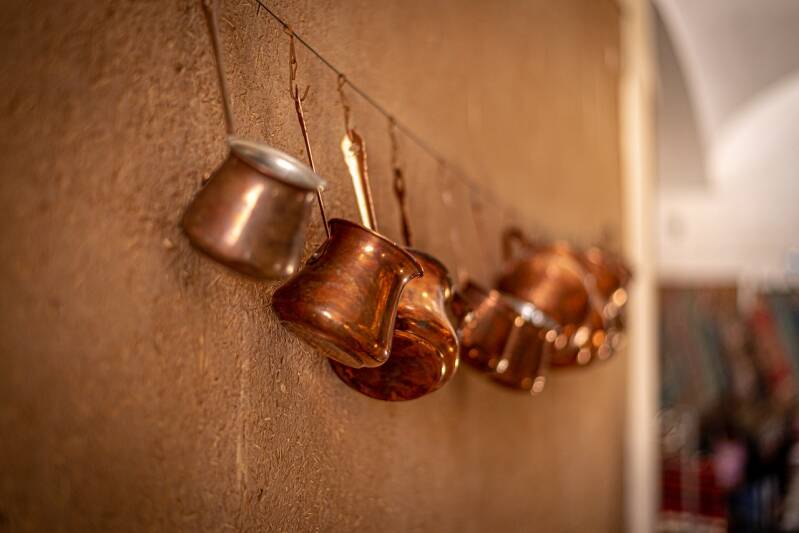
Before the day ends, don’t miss the local daily markets, famous throughout the region. Here you can find traditional Turkmen handicrafts, including woolen carpets, silk textiles, and handmade jewelry—perfect souvenirs that reflect the rich cultural heritage of Golestan.
.
Day 14 – Gorgan → Tehran
Today you will make the long but scenic journey back to Tehran. The landscapes along the way change dramatically as you leave the lush forests of Golestan Province and gradually approach the Alborz Mountains.
If you did not have the chance to visit the shores of the Caspian Sea the previous day, you can plan a stop in Behshahr or take a short rest near Sari to enjoy a final glimpse of northern Iran’s coastal atmosphere.
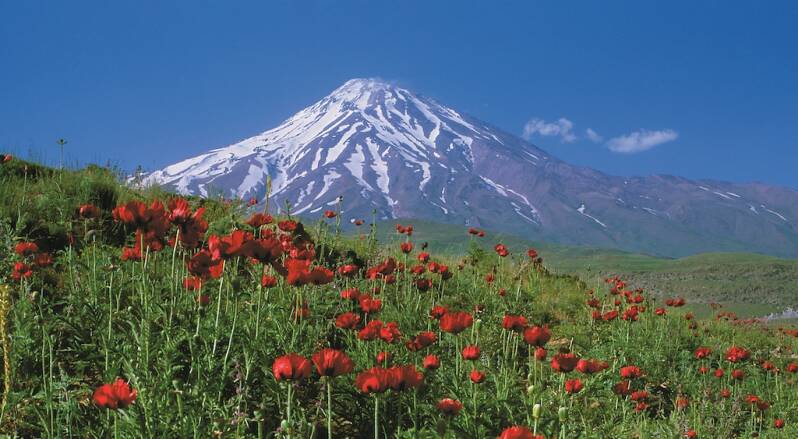
Your route then continues through the mountains, passing Firuzkuh and the iconic Mount Damavand, the highest peak in Iran and a legendary symbol in Persian mythology. The drive is full of natural beauty—waterfalls, caves, river valleys, and mountain villages are scattered throughout this region.
By late afternoon or early evening, you will arrive in Tehran. For your final night in Iran, you may want to enjoy a relaxed dinner in one of the city’s charming restaurants—perhaps in the foothills of Darband, trendy Tajrish, or the modern eateries of Valiasr Street—a lovely way to conclude your journey.
Day 15 – Departure
Depending on your flight time, you may have a few free hours in Tehran to stroll through the city, do some last-minute shopping, or simply relax in a café. At the agreed time, your driver will transfer you to Tehran International Airport for your departure flight.
Your memorable journey through Iran’s deserts, mountains, historical towns, and national parks comes to an end—goftegoo be omid-e didar, until we meet again.