

Iran Persian Gulf Tour Program
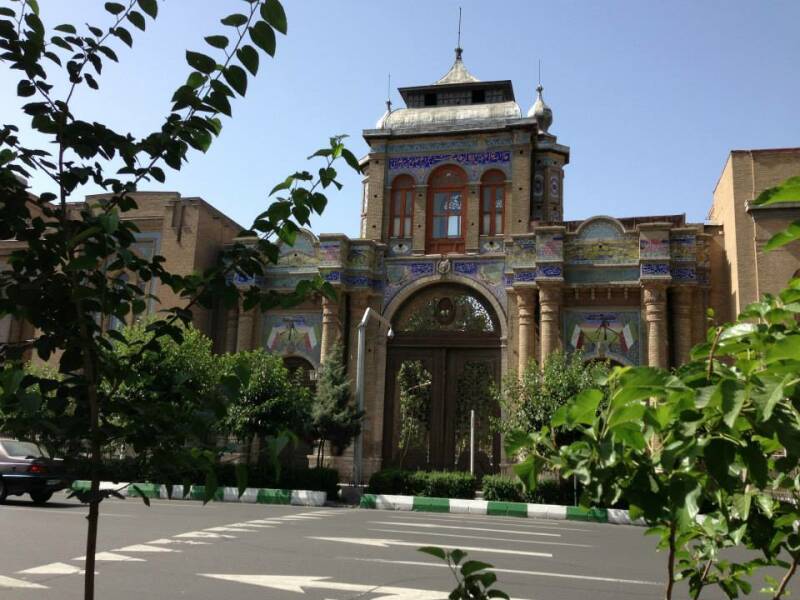
Day 1 – Arrival in Tehran
Arrive at Tehran Imam Khomeini International Airport (IKA), where you will be met and assisted by our representative. After a warm welcome, you will be transferred to your hotel for check-in and rest.
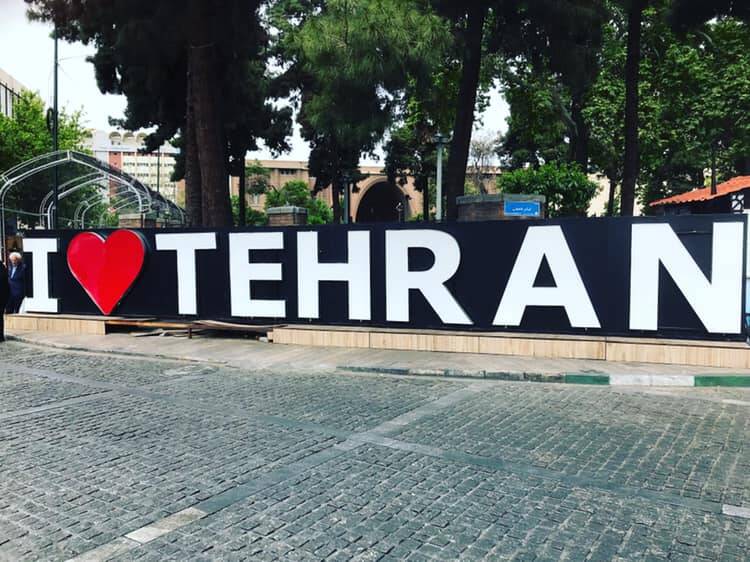
Day 2 – Tehran
Tehran, the largest metropolitan area in the Middle East, is the dynamic capital of Iran and the country’s center of industry, business, and culture. Although its history as a capital is relatively recent—dating back to the Qajar dynasty in the mid-18th century—the city has played a pivotal role through the Pahlavi era and the Islamic Republic, making it the most important place to explore Iran’s modern history.
Tehran also offers a rich collection of historical sites, especially in the central and northern parts of the city. The historic center has recently been renovated with pedestrian streets, allowing you to stroll freely around the Golestan Palace complex and the Grand Bazaar without traffic.
Your day begins with a visit to the Golestan Palace, the first royal seat established when Tehran became the capital. Considered one of the most beautiful palaces in Iran, its combination of Persian design with Qajar-era European influences—mirrored halls, intricate tilework, and elegant courtyards—creates a truly unforgettable atmosphere.
You will then explore the Grand Bazaar, one of the largest and oldest bazaars in the world, where thousands of shops and workshops form a vibrant labyrinth full of energy and tradition.
Continuing through the historical center, you will visit some lesser-known but fascinating sites often overlooked by tourists. These include an Armenian church such as Saint Gregory, the elegant Hassan Abad Square, and the Moqaddam Museum, home to a remarkable collection of ancient tiles, artworks, and historical artifacts. The museum offers an engaging introduction to Iranian history both before and after the advent of Islam.
Tehran is not only about tradition; it has a bold modern side as well. To experience this, you will visit the Nature Bridge (Pol-e Tabiyat)—a contemporary architectural landmark and new symbol of the city alongside the Milad Tower. This pedestrian bridge connects two large parks and is especially beautiful when illuminated at night. From here, you will enjoy panoramic views of the Alborz Mountains and appreciate the sheer scale of Iran’s capital.

Day 3 – Tehran → Qeshm Island
In the morning you will take a domestic flight from Mehrabad Airport to Qeshm Island, the largest island in both the Persian Gulf and the Middle East. Qeshm is a world of its own—an island where nature dominates and culture flourishes in harmony with the environment. Recognized as a UNESCO Global Geopark, it showcases some of the most astonishing natural landscapes in the region.
Qeshm offers an incredible variety of geological formations: vast deserts, deep canyons, mysterious salt caves, dramatic coastlines, rich biodiversity, and the largest mangrove forest in the Middle East. Beyond its natural wonders, you will experience the warm hospitality of the island’s inhabitants, famous for their distinct culture, colorful traditional dress, and exceptional seafood unavailable anywhere else in Iran.
On Qeshm Island, nature sets the rhythm of life—and you will feel it from the very first moment.

Day 4 – Qeshm Island Tour
Today is dedicated to exploring the unique landscapes and highlights of Qeshm Island. Depending on weather and tides, you may visit:
-
Hara Mangrove Forest – the largest mangrove ecosystem in the region, home to diverse birds, fish, and marine species. A boat excursion through the calm waterways is one of the most memorable experiences on the island.
-
Chahkooh Canyon – a breathtaking geological wonder formed by centuries of erosion. Walking through its towering sandstone corridors feels like stepping inside a natural cathedral.
-
Namakdan Salt Cave – among the longest salt caves in the world, filled with shimmering salt formations and remarkable underground colors.
-
Stars Valley – a surreal landscape shaped by wind and rain, wrapped in legends and regarded by locals as a spiritual place.
-
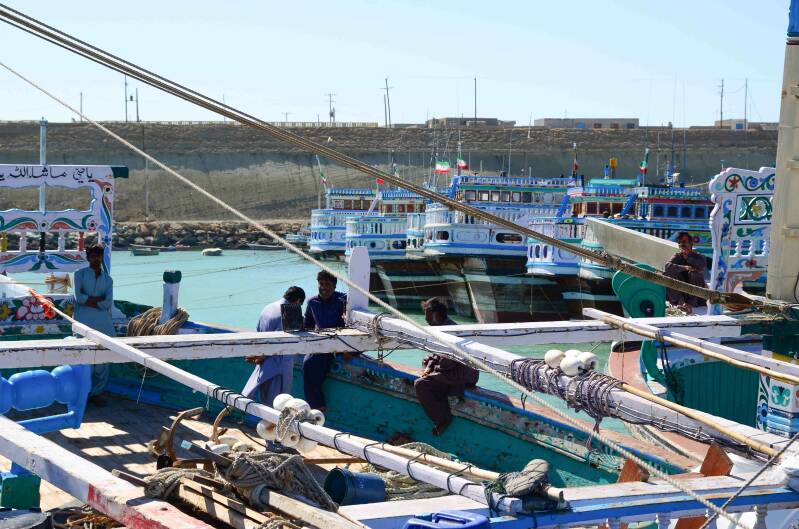
Qeshm’s picturesque fishing villages – where you can observe traditional dhow boat–making, meet local people, or enjoy freshly prepared seafood.
Throughout your day, you will witness how life on Qeshm remains deeply connected to nature, creating an authentic and unforgettable experience.

Day 5 – Qeshm → Hengam Island → Qeshm
This morning you will take a boat from Qeshm to the nearby Hengam Island, a small and peaceful island famous for its untouched nature and marine life. As you glide across the blue waters of the Persian Gulf, keep an eye out for dolphins, which often swim alongside the boats—one of the highlights of the region.
Upon reaching Hengam, you will have time to walk along its virgin shores, where crystal-clear water, quiet beaches, and uniquely shaped rocks create an atmosphere of complete tranquility. The island is also known for its rich wildlife: gazelles, colorful crabs, and a variety of seabirds can often be spotted.
You can relax on the beach, enjoy the peaceful scenery, explore small local stalls selling traditional crafts, or simply spend time in nature, far away from crowds and noise.
In the afternoon you will return by boat to Qeshm Island, with the rest of the day at leisure.

Day 6 – Qeshm → Hormoz Island → Bandar Abbas
Today you will take a boat from Qeshm to Hormoz Island, a small and peaceful island that gives its name to the famous Strait of Hormuz. There are no cars on the island, which makes it wonderfully quiet—life here moves slowly, and the simplicity of the settlement adds to its unique charm.
Hormoz is often called “the Island of Colors” for a reason. Its soil changes dramatically from red to white, black, yellow, and brown, creating one of the most surreal landscapes in Iran. You will explore some of the island’s most remarkable natural attractions:
-
Silver Beach, where the shimmering grains create a magical reflection under the sunlight.
-
Red Beach, famous for its deep red soil (locally called gelak), traditionally used in cooking and even natural make-up.
-
Salt Goddess, a stunning salt canyon with white, blue, and pink formations—walking inside feels like stepping onto another planet.
After enjoying the otherworldly beauty of Hormoz, you will return to the pier in the late afternoon and take a boat to Bandar Abbas, where you will spend the night.

Day 7 – Bandar Abbas → Minab → Sirik → Jask
This morning you explore Bandar Abbas, Iran’s main port and one of the oldest maritime hubs on the Persian Gulf. Although much of the city’s historical fabric has disappeared over time, the cultural atmosphere remains vivid. Here—just like in Qeshm and Hormoz—you will meet Bandari people, recognizable by the brightly colored clothing of the women and their traditional face masks, a hallmark of southern coastal culture. One important site you will visit is the Hindu Temple, a unique architectural reminder of the historical trade relations with the Indian subcontinent.
You then continue to Minab, known across the region for its vibrant Thursday Bazaar, where Bandari women display their traditional handicrafts, textiles, and pottery. Even outside Thursday, part of the bazaar remains open, offering an authentic glimpse of local craftsmanship and daily life.
From Minab to Jask, the road becomes a journey in itself. To your right stretches the shimmering coastline; to your left, dramatic mountains rise in shapes that resemble a lunar landscape. Along the way you will make a short stop in Sirik, a small port town with a peaceful mangrove forest along its shores.
In the late afternoon you reach Jask, an important Baluchi port city. Here you will enjoy dinner and spend the night.

Day 8 – Jask → Darak → Chabahar
After breakfast you continue your journey deeper into Baluchestan, one of Iran’s most remote and culturally distinctive regions. The road becomes narrower but remains safe, winding through small Baluchi villages and vast untouched landscapes. As you travel south, the scenery gradually shifts toward the dramatic coastal beauty of the Oman Sea.
Your destination is the stunning Darak Shores, considered one of the most beautiful and pristine beaches in Iran. Here, golden sand dunes meet the sparkling turquoise sea, and clusters of palm trees appear unexpectedly between dunes—creating a truly unique landscape where desert and ocean blend seamlessly. You will spend a few peaceful hours here enjoying the quiet, unspoiled nature.
In the late afternoon, you continue to Chabahar, the main port of southeastern Iran and your base for the night. This vibrant city, influenced by Baluchi culture and the maritime traditions of the Indian Ocean, will welcome you with its warm climate and relaxed coastal atmosphere.
Overnight in Chabahar.
Day 9 – Chabahar
Chabahar is one of the most important Baluchi ports in Iran, a vibrant coastal city known for its colorful bazaar, warm climate, and strategic location on the Oman Sea. The city is also home to a large free trade zone, which adds to its lively atmosphere and cultural mix.
In the northern part of Chabahar lies Tis, an ancient village with a rich historical background. Here you will visit the Portuguese Fortress, a remnant of the colonial presence in the region, as well as the old cemetery, where unique Baluchi gravestones reflect centuries of local traditions.
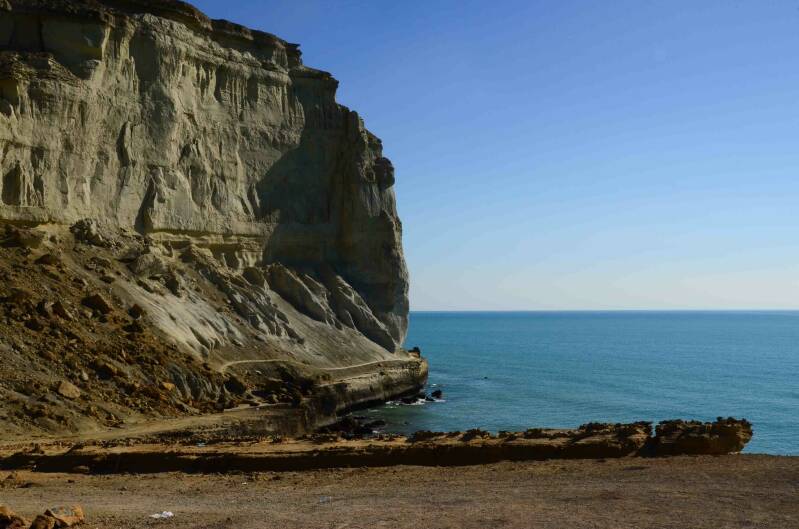
However, the true highlight of the Chabahar region is its dramatic coastline. After exploring Tis, you will head toward Konarak, where you will spend time at Pozm Cape—a spectacular rocky shoreline overlooking intensely blue waters. The combination of rugged cliffs, peaceful waves, and pristine sea views makes this one of the most unforgettable natural spots in southern Iran.
Overnight in Chabahar.
Day 10 – Chabahar
On your last day in southeastern Iran, you will travel toward the Pakistan border, experiencing some of the most extraordinary natural landscapes along the Oman Sea.
Your first stop will be Tomb Shores, an endless stretch of untouched sandy coastline where the sea meets the desert. The serene atmosphere and sweeping views make this one of the most breathtaking beaches in the region.
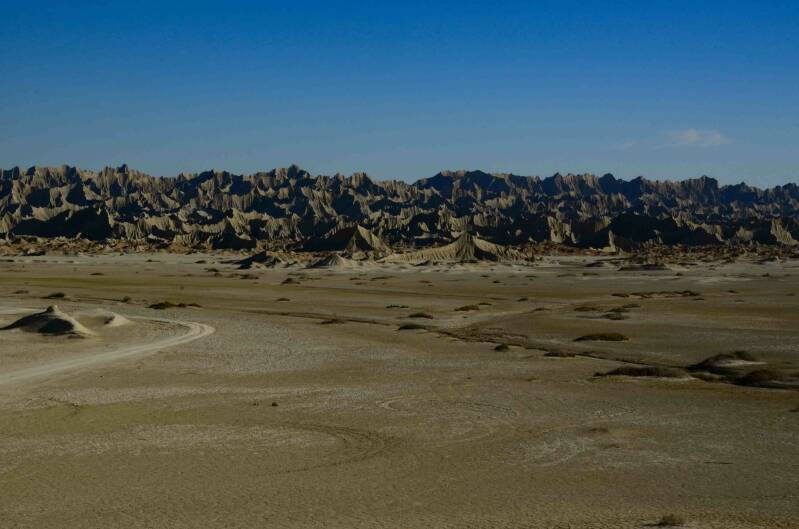
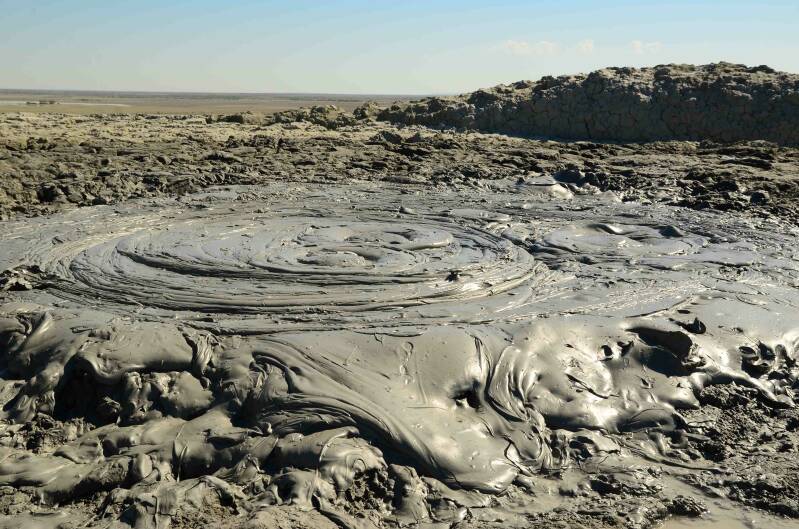
Continuing along the coastal highway, you will visit the remarkable Martian Mountains (or Miniature Mountains), located north of the road. Their sharp ridges and otherworldly formations make you feel as if you’re standing on the surface of another planet.
Before reaching the border region, you will stop at Lipar Lake, famous for its striking pink color created by microscopic seaweed. Depending on the season, water level, and light, the shade of pink may appear more intense or more subtle—but always enchanting.
You will proceed toward Beris, a quiet fishing village with a spectacular rocky promontory overlooking the deep blue sea, offering excellent photography opportunities.
The final destination of the day is Gowatr Gulf, where you will take a boat trip through a lush mangrove forest. This area is rich in biodiversity, and with some luck, you may also encounter dolphins—an unforgettable end to your journey along Iran’s southeastern coast.
Overnight in Chabahar.
Day 11 – Chabahar → Tehran
After breakfast, you will have some free time for last-minute shopping in Chabahar’s lively bazaar, known for its colorful Baluchi textiles, spices, handmade jewelry and local crafts. It’s the perfect opportunity to bring home a few unique souvenirs from this vibrant region.
At the scheduled time, you will transfer to Chabahar Airport for your flight back to Tehran. Upon arrival, you will be met and transferred to your hotel for an overnight stay.
Day 12 departure Tehran
Departure to your country from Tehran IKA Iternational Airport.